Introduction
When it concerns emergency scenarios, every second matters. One of the most important skills anybody can discover is exactly how to identify no breathing and react appropriately. This write-up looks into the relevance of identifying no breathing, the strategies involved, and exactly how they suit broader emergency situation care procedures. Worldwide of basic vs innovative life support, understanding the initial signs of respiratory failure can imply the distinction in between life and fatality.
Recognizing No Breathing: The Initial Step in Emergency Situation Care
Recognizing no breathing is a vital ability that creates the bedrock of reliable emergency treatment. The process begins with inspecting responsiveness and analyzing whether somebody exhibits signs of life. The majority of people assume that if a person isn't breathing, they're unconscious or in distress; nevertheless, comparing regular respiration and first aid class schedules Darwin no breathing requires training and awareness.
The Importance of Very early Recognition
Identifying a lack of breathing can activate immediate activity, possibly conserving a life. The mind is extremely conscious oxygen starvation; within mins, irreversible damage can take place. Therefore, early acknowledgment is crucial for starting appropriate treatment strategies.
Signs of No Breathing
- Absence of Movement: Try to find chest motions that indicate inhalation and exhalation. No Audible Breath Sounds: Listen closely; if you hear absolutely nothing after a number of secs, it's time for action. Skin Shade Changes: Cyanosis or blue skin around lips and fingertips may suggest serious oxygen deprivation.
Checking Responsiveness
Before concluding that a casualty is not breathing, examining their responsiveness is essential. Delicately tremble their shoulders and yell noisally to see if they react. A less competent individual calls for prompt assistance.
Basic vs Advanced Life Support
Emergency care can typically be classified right into 2 main kinds: basic life support (BLS) and progressed life support (ALS). Understanding the difference helps -responders understand when to escalate their actions.
Basic Life Support (BLS) Techniques
BLS concentrates on fundamental methods such as mouth-to-mouth resuscitation (Cardiopulmonary Resuscitation) that any person can perform no matter prior training. It targets at keeping blood flow up until expert assistance arrives.
Advanced Life Support (ALS) Protocols
ALS includes more complicated procedures like intubation and drug administration by experienced medical workers. Recognizing when to change from BLS to ALS can save lives.
Hospital Codes and Protocols
Understanding hospital codes is essential for offering reliable emergency situation care. Each healthcare facility might have its very own system in position for calling for help during a crisis.

Common Health center Codes
|Code|Suggesting|| ------|----------------------------------|| Blue|Heart attack|| Red|Fire|| Orange|Dangerous Material Incident|
Knowledge of these codes makes sure efficient communication between lay responders and clinical professionals.
Public Defibrillator Usage
Automated External Defibrillators (AEDs) are significantly offered in public rooms. Recognizing how to run one might significantly enhance survival prices throughout heart emergencies.

Steps to Utilize an AED
Turn on the AED. Apply pads according to diagrams. Follow voice prompts. Ensure no one touches the patient throughout shock delivery.BLS Qualification: Why It Matters
Obtaining BLS certification equips people with important abilities for responding properly in emergency situations. Courses commonly cover identifying no breathing, executing mouth-to-mouth resuscitation, using AEDs, and various other lifesaving techniques.
Benefits of Being Certified
- Confidence in emergency situations Knowledge regarding updated protocols Ability to help good friends or family members in distress
Identifying No Breathing: A Deeper Dive
Understanding just how to determine no breathing entails an organized technique:
Assessment Steps
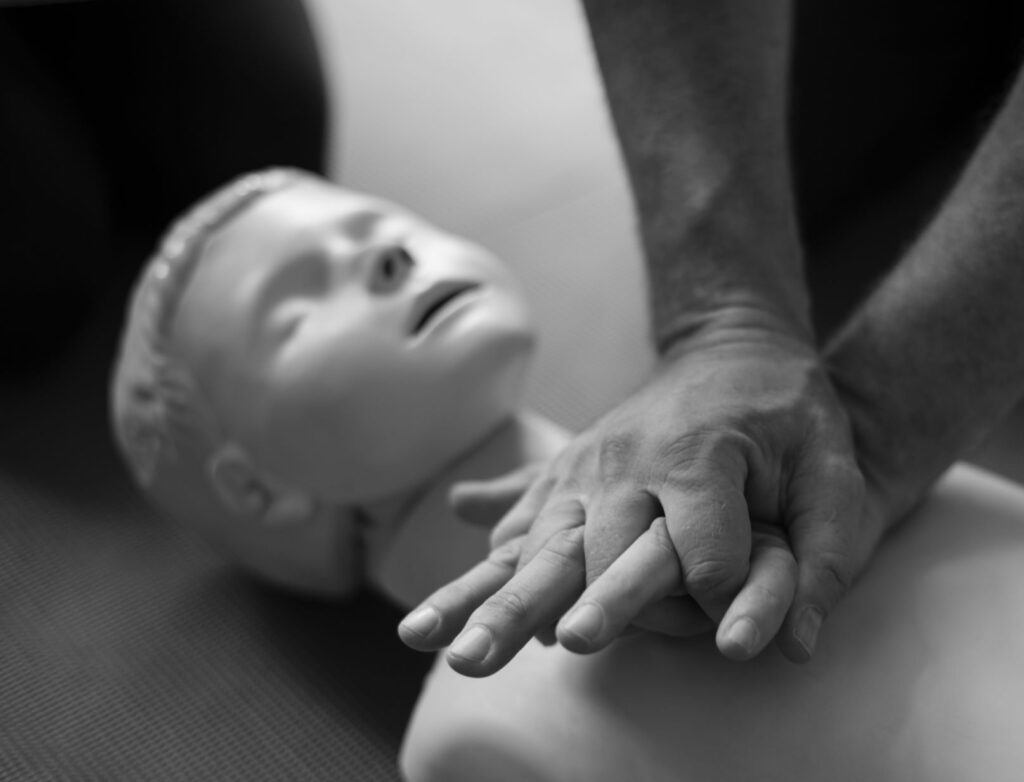
Check responsiveness. Open the respiratory tract utilizing head-tilt-chin-lift technique. Look, listen, and really feel for breathing for approximately 10 seconds.If there's still no indicator of breath after these actions, initiate CPR immediately!
Taking Switches on Compressions
When carrying out CPR with numerous rescuers, it's essential to take turns on compressions:
Why Turning is Important
Rotating compressors prevents tiredness which can lead to inefficient compressions or reduced performance over time.
Lower Compression Depth: Why It Matters?
Maintaining proper compression depth during CPR is critical:
- Adult compressions must be at least 2 inches deep yet not greater than 2.4 inches. For children, go for about 1/3 the depth of their chest-- approximately 1.5 inches.
Accurate compression deepness makes sure ample blood flow without triggering harm.
Slow Compression Rate: Searching For Balance?
While rate matters in CPR, keeping an ideal compression price substantially affects efficiency:
- Aim for a rate between 100-- 120 compressions per minute. Too sluggish means inadequate circulation; as well rapid compromises depth.
Finding this equilibrium inevitably improves survival chances!
Maintaining Calmness Throughout Emergencies
During emergency situations, continuing to be calm is important:
Techniques to Maintain Composure
Focus on your breath-- sluggish inhalations can help reduce anxiety. Stay task-oriented-- focus on workable steps rather than frustrating feelings. Keep communication clear-- straight others successfully without panic-induced chaos.Checking Casualty's Breathing Again After Preliminary Assessment?
After starting mouth-to-mouth resuscitation or making use of an AED:
Reassess breathing every few minutes if possible. Note any adjustments; this information will certainly be important when experts arrive.Regular review guarantees that you change your activities based upon real-time observations!
Frequently Asked Questions (Frequently asked questions)
Q1: What need to I do first when I think a person isn't breathing?
A1: Inspect responsiveness by trembling them gently and screaming noisally prior to evaluating their breathing patterns further.
Q2: How much time should I check for breathing?
A2: Ideally look for up to 10 secs while considering chest movement and listening closely for breath sounds.
Q3: When should I call emergency situation services?
A3: If you identify that someone isn't responsive or not breathing typically after your evaluation-- call emergency situation services immediately!
Q4: Can I make use of an AED on anyone?
A4: Yes! AEDs are created for use on adults and youngsters alike; simply adhere to guidelines meticulously based upon age guidelines provided with each device.
Q5: Exactly how usually should rescuers switch duties throughout CPR?
A5: Preferably every two mins; this aids maintain reliable compressions without wearing down staff member too quickly!
Q6: Is BLS qualification needed also if I'm not a medical care provider?
A6: Absolutely! BLS accreditation outfits everyday people with important skills required throughout emergency situations-- knowledge can conserve lives!
Conclusion
Recognizing no breathing really stands as the very first step in emergency situation treatment-- a crucial skill that First Aid training Darwin encourages individuals encountering vital scenarios on a daily basis! Whether you're considering BLS accreditation or just want useful expertise applicable throughout unforeseen events-- understanding exactly how to act promptly when faced with respiratory system failure might suggest everything! Bearing in mind these principles establishes you up not equally as a bystander however as an active participant all set to make a difference when it counts most!
First Aid Pro | First Aid Course Darwin (RTO 31124) is one of Australia’s leading providers of accredited First Aid and CPR training. We specialise in Basic Life Support, CPR & First Aid, Emergency Response, AED, and many other accredited courses. Our training is both convenient and comprehensive, combining online and face-to-face learning options to suit your needs. Keep your first aid certificates up to date with same-day certification upon completion. Plus, find a lower price, and we’ll instantly beat it by 10%! Conveniently located at Double Tree Hilton, Level 5/116 Esplanade, Darwin City, NT 800. Visit our website for course dates, directions and parking details.
First Aid Pro | First Aid Course Darwin (RTO 31124) is one of Australia’s leading providers of nationally accredited First Aid and CPR training. We deliver a wide range of courses, including Basic Life Support, CPR & First Aid, Emergency Response, AED training, and more. Our courses are designed to be flexible and comprehensive, offering both online and face-to-face learning options to suit your needs. You’ll receive same-day certification upon successful completion, and with our Price Beat Guarantee, if you find a lower price, we’ll beat it by 10%! Our Darwin training venue is conveniently located at DoubleTree by Hilton, Level 5, 116 Esplanade, Darwin City, NT 0800. Visit our website to check upcoming course dates, directions, and parking details, and book your spot today.